
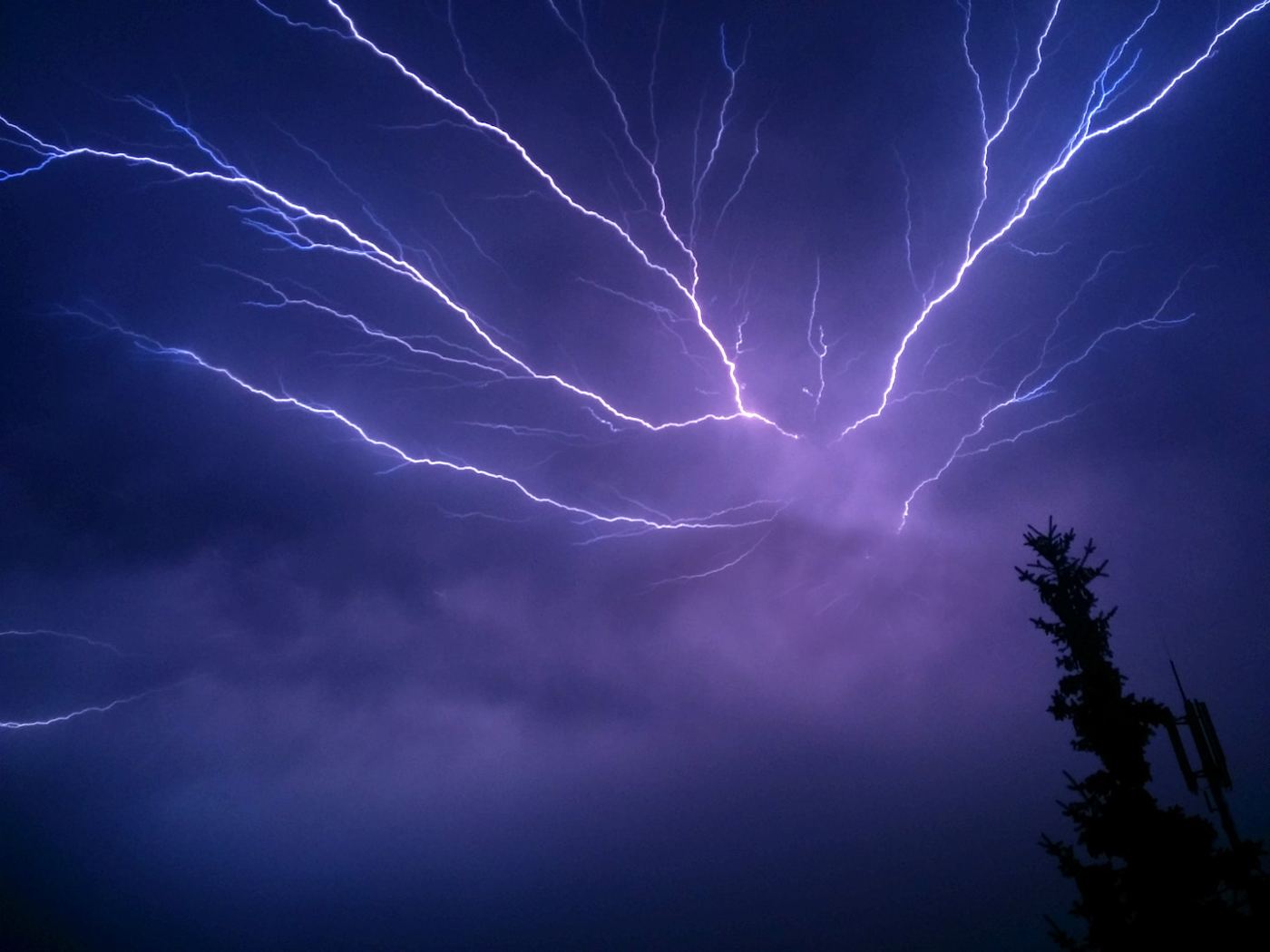
A single lightning strike carries enough energy to cripple equipment it never quite touches, sending surges through power and data lines far from the impact point. Engineers protecting electricity networks, communication towers and wind turbines therefore design for lightning as a certainty rather than an accident. Protection starts with giving the strike a safe path: air terminals and down conductors carry current to earth, while surge devices clamp the excess voltage that tries to enter buildings and electronics. Bonding metalwork together prevents dangerous differences in voltage during a strike. On exposed hilltops and across open country, where towers meet the sky alone, these measures decide whether a storm is an inconvenience or an expensive failure. Insurance assessments increasingly ask for evidence of that protection, recognising that a well-earthed, well-bonded installation suffers less damage and returns to service far faster.
What the Evidence Shows
Modern protection is also diagnostic. Counters and sensors record strikes on towers and turbines, so maintenance teams know which structures to inspect for hidden damage to blades, bearings or electronics after severe weather. Grid operators combine strike data with outage reports to find vulnerable stretches of line and prioritise upgrades such as shield wires and improved earthing. Standards are updated as measurements improve, reflecting the reality that a protection system is only as good as its weakest connection. Engineers stress that no design makes a structure lightning-proof in absolute terms; the goal is controlled, survivable strikes. As more infrastructure spreads onto exposed sites for renewable energy and communications, that goal grows more important each storm season. Each storm season tests those preparations again, and each inspection afterwards adds measurements that make the next design a little smarter than the last one. Reporting and analysis from sources such as Wired track the same developments, and specialists following lightning protection for infrastructure say the direction is now consistent across independent lines of evidence.
The Wider Context
The wider context is an industry learning to ship capability and restraint together. Products built around lightning protection for infrastructure now launch with safety evaluations, usage data and rollback plans as standard, because enterprise buyers and regulators ask for them in the first meeting. Companies that treated those questions as friction are discovering they have become the purchase criteria.
What Happens Next
What happens next for lightning protection for infrastructure depends less on another breakthrough than on the unglamorous work of reliability, pricing and support. The buyers evaluating it now are not enthusiasts; they are operators with budgets and auditors, and their checklists will decide the timeline. On the evidence of the current pilots, the technology has earned the right to be judged by them. You can follow related developments in our coverage of technology.
None of this will be settled by a single announcement, study or product launch. The pattern to watch is accumulation: independent confirmations, honest reporting of failures and steady improvement in the underlying numbers. Readers who follow those signals, rather than the loudest claim of the week, will understand this subject better than most of the commentary surrounding it suggests is possible.