
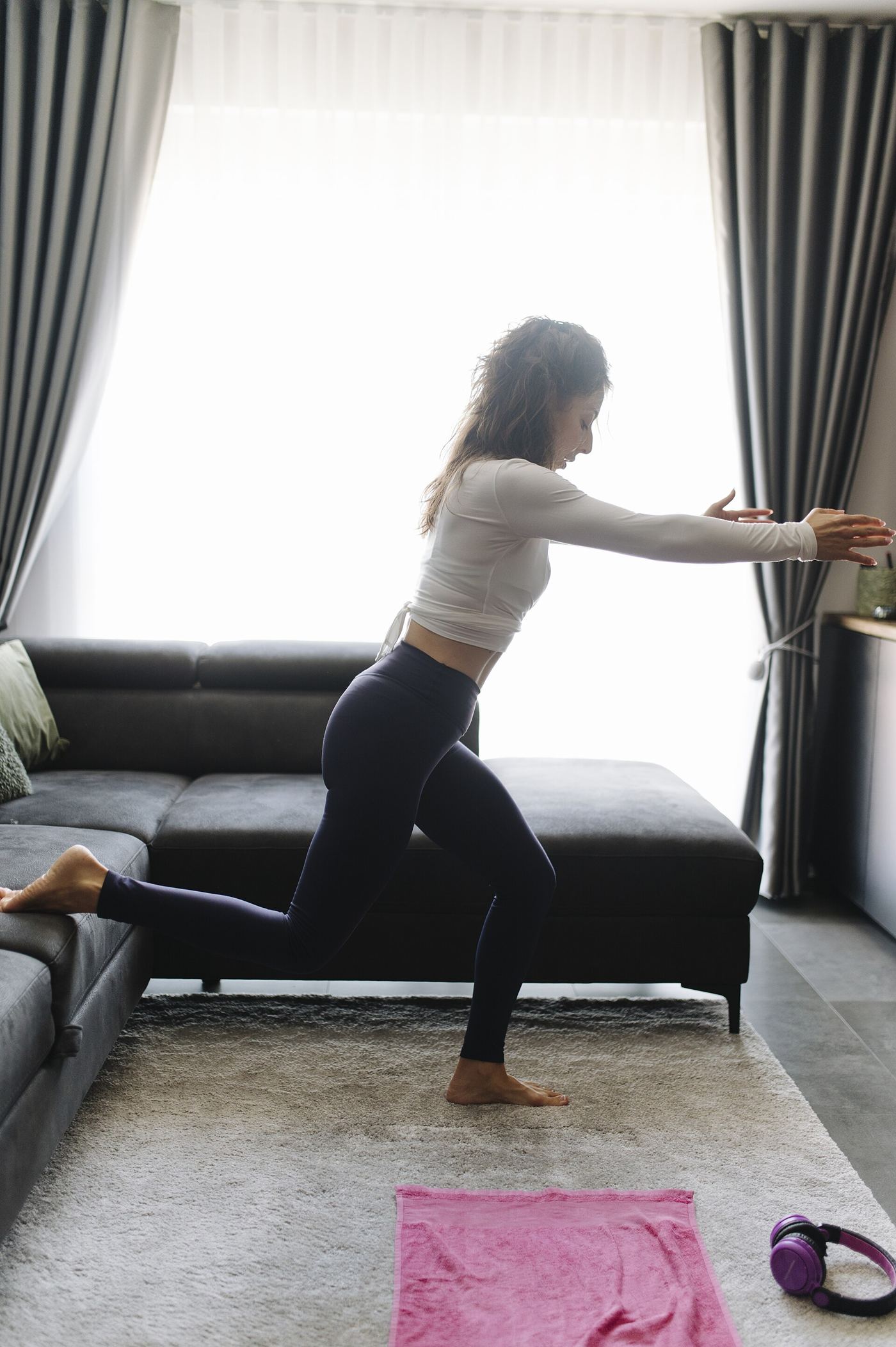
New habits fail most often at the moment of remembering, not at the moment of effort, which is why psychologists recommend attaching morning stretching to a cue that already happens without fail. The technique, called habit stacking, pairs the new behaviour with an established one: after the kettle goes on, after curtains open to the morning light, or straight after getting dressed. A person stretching at home in early light is usually not relying on motivation, which fluctuates, but on a sequence that runs almost automatically. Behaviour scientists find that specific if then plans, such as after I brush my teeth I will stretch for two minutes, dramatically improve follow through compared with vague intentions to stretch more. Apps and paper trackers can support the first fortnight, though psychologists say the cue itself, not the tracking tool, is what carries the habit long term.
What the Evidence Shows
Starting tiny protects the stack while it forms; two gentle minutes done daily build the routine faster than an ambitious twenty minutes done twice and abandoned. Psychologists advise keeping the cue, place, and time as consistent as possible for the first weeks, and placing any props, such as a mat, where they will be seen at the cue moment. Missing a day matters less than resuming the next morning without self criticism, since all or nothing thinking is a common reason routines collapse. After several weeks, many people find the stretch itself becomes the cue for the next step, such as making breakfast, and the morning gains a calmer, more deliberate order. Once the first stack feels automatic, a second small habit, such as drinking a glass of water, can be added behind it to extend the routine. Reporting and analysis from sources such as British Psychological Society track the same developments, and specialists following habit stacking for morning stretching say the direction is now consistent across independent lines of evidence.
The Wider Context
Practitioners working with habit stacking for morning stretching emphasise fit over fashion. A technique that transforms one person’s routine can be useless or worse for another, and assessment, what problem, whose life, what constraints, is what separates professional guidance from the generic advice that floods social feeds. The research increasingly studies that matching process itself.
What Happens Next
For readers, the balanced conclusion on habit stacking for morning stretching is that small, well-matched changes beat dramatic overhauls, and that any technique deserves a fair trial of a few weeks before judgement. The studies support patience with the process and scepticism toward promises. That combination, unglamorous as it sounds, is what the evidence actually recommends. You can follow related developments in our coverage of psychology.
It is also worth remembering how quickly the picture in this area has changed before. Positions that looked settled a few years ago have been revised as new data arrived, and the same humility is appropriate now. The strongest coverage of this subject, and the most useful advice, tends to come from sources that update their views openly when the facts move, rather than defending an earlier position long after it has stopped fitting the evidence available.
