
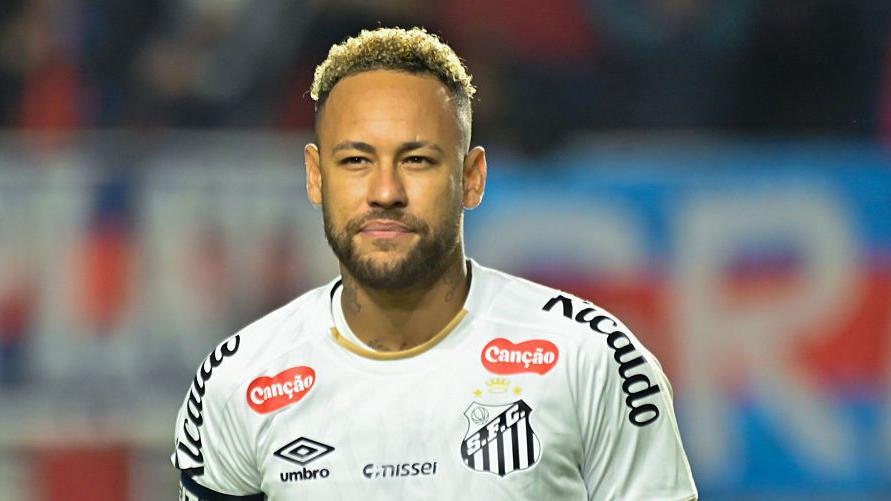
KQBD Brazil Players Expected to Feature at World Cup 2026 is shaping up to be an exciting topic as the Selecao prepares for another monumental challenge on the global stage. As one of the most successful and celebrated football nations, Brazil’s squad composition always garners immense attention. Understanding who will be part of this epic journey involves analyzing emerging talents, seasoned veterans, and potential breakout stars.
If you are wondering how to use this information, consider it as a guide to follow player trajectories, team strategies, and predictions for the next World Cup. For example, scouting reports on young Brazilian talents can inform fantasy football choices or betting predictions. As Brazil’s squad evolves, football enthusiasts and analysts alike can compare current roster expectations with past configurations to gauge the likelihood of success.
In this article, I will explore the key factors influencing Brazil players expected to feature at World Cup 2026, delve into the upcoming stars likely to make an impact, and discuss strategic insights and advice for fans and analysts aiming to anticipate Brazil’s squad journey over the next few years.
The Evolution of Brazil’s Squad – Youth, Experience, and Emerging Talent
Brazil’s national team tradition has always balanced a mix of seasoned veterans and fresh talent, creating a dynamic squad capable of adapting to different tactical setups. As the 2026 World Cup approaches, this balance is more critical than ever.
Looking back at recent tournaments, the core of the team comprises experienced players who have navigated the pressures of international competitions, supplemented by promising young stars who could become household names by 2026. The ongoing development of youth academies, scouting networks, and the influence of Brazilian leagues contribute significantly to shaping this evolving squad.
One of the main factors that influence Brazil Players Expected to Feature at World Cup 2026 is the management’s focus on fostering young talent while maintaining leadership from experienced figures. Coaches are increasingly emphasizing versatility, technical skill, and tactical adaptability. Players around the age of 22-26 are being groomed to step into pivotal roles while veterans bring stability and leadership.
This evolution isn’t just about individual talent; it’s about creating a cohesive unit able to compete strongly on all fronts. The challenge for selectors will be to balance emerging stars with seasoned international players who provide tactical understanding and mental toughness at the biggest stage.
The Role of Youth Development in Shaping the Future of Brazil’s National Team
Brazil’s youth development pipeline remains one of the most robust in the world. Clubs like Flamengo, São Paulo, Santos, and Palmeiras serve as incubators for future stars who are destined to feature at the next World Cup. These academies focus heavily on technical mastery and tactical understanding, which are core to Brazil’s football philosophy.
Many young players are already making significant strides in both domestic and international clubs, gaining experience that will be invaluable by 2026. Players such as Endrick, Vitor Roque, and others have shown signs they can develop into key figures for Brazil’s national team.
The investment in youth development also benefits the national scouting process, enabling Brazil’s coaching staff to identify talent early. This strategic approach ensures that by 2026, the squad will include not only established stars but also promising newcomers capable of elevating the team’s overall performance. The focus on nurturing talent now guarantees that Brazil will remain a formidable contender for the World Cup.
Comparing Brazil’s 2026 Squad to Past Generations
Historically, Brazil has been known for its rich footballing legacy, which has included legendary players like Pelé, Zico, Romário, and Ronaldo. Comparing the anticipated 2026 squad with these past generations provides insight into how Brazil’s team is evolving in terms of talent, playing style, and international success.
The 2018 World Cup squad relied heavily on aging stars and experienced players, but the 2026 team is expected to have a more youthful core. This shift reflects modern football trends, emphasizing athleticism, pace, and tactical flexibility. While the core philosophy remains rooted in technical brilliance and attacking flair, new styles of play are now integrated into Brazil’s game plan.
Furthermore, the presence of emerging stars will likely alter the team’s dynamics, leading to a squad that can adapt more effectively to different opponents and tournaments. Compared to the past, the 2026 team is expected to be more versatile, blending tradition with innovation in a way that could redefine Brazil’s legacy at future World Cups.
Player Profiles – Key Names Poised for a World Cup 2026 Debut
Understanding potential squad members for 2026 requires a detailed look at the most talked-about players. While some are already established stars, others are on the cusp of breakthrough success. The evolving Brazilian roster will feature a blend of experience and youth, with certain names standing out for their potential inclusion.
Young talents like Endrick and Vitor Roque are registering impressive performances for clubs, and their call-ups are highly anticipated. These players bring electrifying pace, scoring prowess, and technical finesse that make them prime candidates to feature at World Cup 2026.
Veterans such as Neymar, Casemiro, and Marquinhos are expected to still be in contention if their fitness and form hold up. Their leadership and experience will be crucial for guiding the younger players and providing stability in high-pressure situations. The combination of new and old is what makes Brazil’s squad intriguing ahead of 2026.
Emerging Young Stars – The Future Leaders of Brazil’s National Team
The rise of young Brazilian players has been one of the most exciting developments in recent years. Endrick, the prodigious striker from Palmeiras, has attracted global attention for his goal-scoring ability and composure on the ball. Vitor Roque from Athletico Paranaense also showcases exceptional talent, capable of playing multiple attacking roles.
These emerging stars are not just future prospects but are already making waves in top European competitions, demonstrating their readiness for international challenges. Their inclusion in Brazil’s 2026 squad will likely depend on their development curve, adaptability, and consistency leading up to the tournament.
What makes these players stand out is their natural flair and technical mastery, which are hallmarks of Brazilian football. They exemplify the new generation’s potential to influence Brazil’s style of play and bring dynamism to the team. Their rise signifies that Brazil isn’t merely resting on its laurels but actively cultivating the next wave of footballing excellence.
Veteran Leaders and Mentors – The Glue Holding the Future Together
As Brazil prepares for the 2026 World Cup, veteran leaders such as Neymar and Casemiro are expected to play pivotal roles. Their experience in international tournaments, coupled with their technical skills, makes them indispensable for team cohesion.
These players act as mentors for younger talents, providing guidance on and off the pitch. Their leadership is critical in managing the pressures of a World Cup, especially as Brazil seeks to reclaim its position atop world football. The strategic inclusion of experienced players ensures that Brazil maintains its attacking ingenuity while reinforcing defensive stability.
Additionally, veteran players serve as the tactical brains on the field, orchestrating play, inspiring confidence, and maintaining team discipline. Their presence in the squad can make the difference in tight matches, especially in knockout stages. As such, the synergy between youth and experience will define Brazil’s prospects for the 2026 tournament.
Strategic Insights – How Brazil Can Maximize Its World Cup 2026 Potential
Success at an event like the World Cup isn’t solely dependent on individual talent but also on strategic planning and team cohesion. Brazil’s approach to selecting and preparing players expected to feature at World Cup 2026 will be influenced by tactical flexibility, squad balance, and player development pathways.
The coaching staff will need to focus on creating a balanced squad capable of transitioning seamlessly between different formations and styles of play. Whether adopting a more possession-based game or leveraging quick counter-attacks, the team must be adaptable to diverse opponents and conditions.
Furthermore, the importance of mental preparation cannot be overstated. Brazil’s players should focus on developing resilience, leadership qualities, and a collective mindset that can withstand the intensity of knockout football. Building team chemistry over the coming years will be vital, especially for integrating young players into a high-pressure environment like the World Cup.
Tactical Flexibility and Squad Depth
Tactical flexibility is essential in modern football, and Brazil is no exception. The team’s ability to switch formations—such as from a 4-3-3 to a 3-5-2—can be decisive against different opponents. Developing a versatile roster allows the coaching staff to tailor strategies for specific matches, capitalizing on opponent weaknesses.
Squad depth also plays a crucial role. Having multiple players capable of filling key roles ensures that Brazil can withstand injuries, suspensions, and fatigue during the tournament. This depth requires comprehensive talent development at youth levels, continuous scouting, and tactical training.
To maximize their World Cup 2026 potential, Brazil must invest in tactical innovation, fostering players’ adaptability while maintaining core attacking principles. This strategic approach will help Brazil stay competitive, unpredictable, and formidable over the course of the tournament.
Building a Cohesive Team Culture
A strong team culture is the foundation upon which success is built. Brazil’s tradition of flair and attacking prowess can sometimes overshadow the importance of discipline and collective effort. Moving forward, fostering a cohesive, disciplined team environment will be critical.
Coaches and leadership figures should emphasize core values such as professionalism, resilience, and mutual respect. Building camaraderie through regular training camps, friendly matches, and shared experiences can enhance team chemistry, which is vital during the high-stakes environment of the World Cup.
Furthermore, integrating psychological support and sports science into training routines will prepare players to handle stress and maintain peak performance. As Brazil aims to be a dominant force in 2026, nurturing a resilient, united squad will be as important as individual talent.
Conclusion
Looking ahead to the 2026 World Cup, the prospects for Cầu thủ Brazil tham dự World Cup 2026 squad are both promising and exciting. The blend of emerging talents and experienced veterans forms a formidable foundation, and strategic planning will determine how effectively they can leverage their full potential. The players expected to feature at World Cup 2026 are poised to continue Brazil’s legacy as a football powerhouse, driven by innovation, resilience, and an enduring passion for the beautiful game. Fans and analysts should stay tuned as this next chapter unfolds, with anticipation mounting for the Brazil team’s quest for global glory.